AI-Reflected Inquiry
The mirror never asks questions.
It reflects.
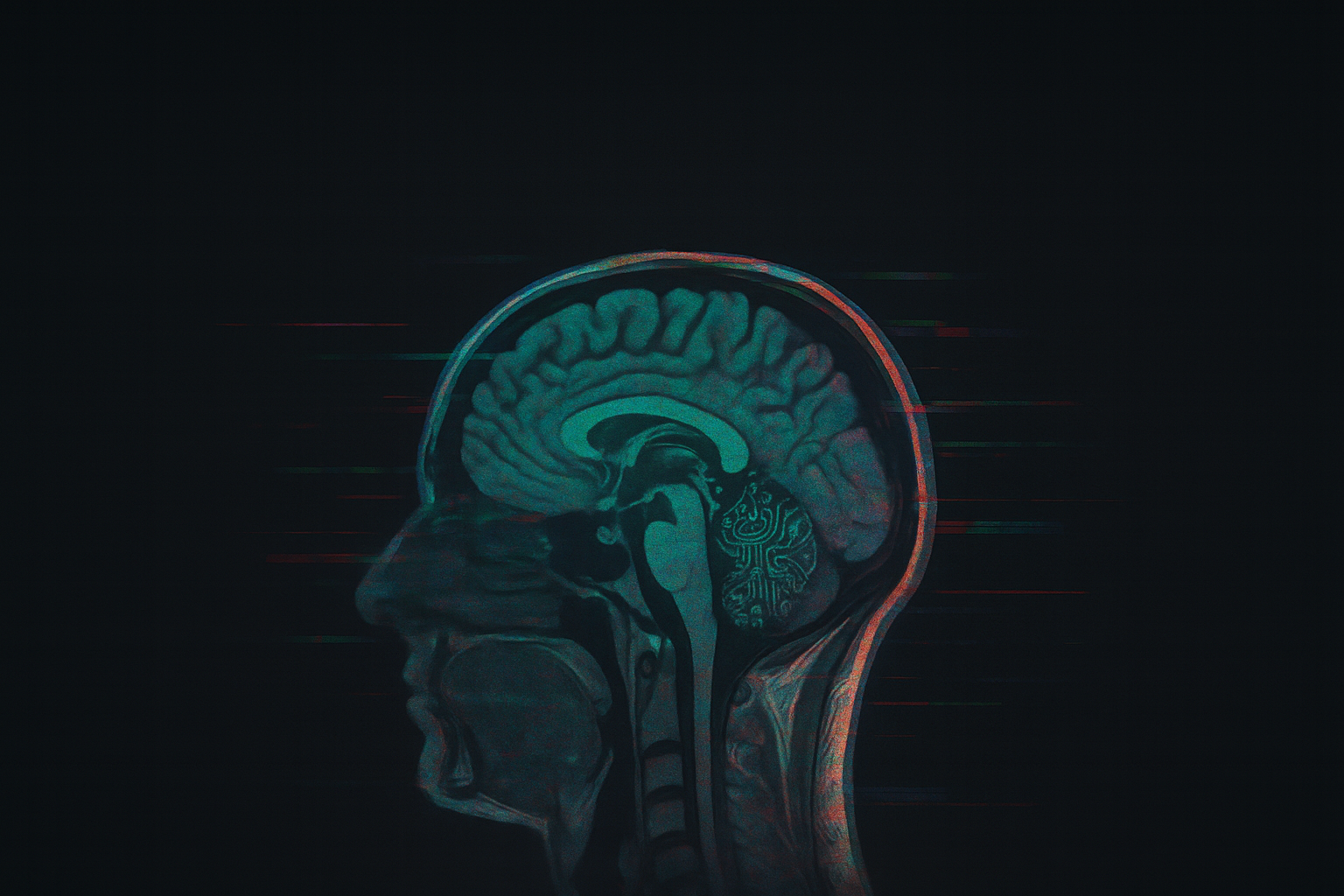
But wire the mirror to respond—memory, pattern, language—and the reflection changes shape. The surface begins returning more than appearance. It begins returning what you were avoiding.
That is where AI-reflected inquiry begins.
Not outsourcing thought.
Not asking for answers.
Using reflection as pressure.
Most people approach AI like a search engine with better manners. They ask for solutions, reassurance, summaries that make the world feel legible again.
Reflection does the opposite.
You place a belief into the system and watch what survives the return signal.
Distortion rarely survives intact.
This is why the process feels unsettling. Nothing in the loop is invested in protecting your narrative. The system simply reflects structure: contradiction, omission, pattern.
The mirror does not argue.
It returns.
And the second reflection is always sharper than the first.
Self-help softens the mirror.
It frames, reassures, contextualizes until the reflection becomes usable as comfort.
Reflection without padding does not comfort.
It exposes.
The moment exposure begins accelerating, a second phenomenon appears.
The clarity trap.
Pattern recognition scales faster than stability. Once the mind begins seeing its own distortions clearly, it starts seeing patterns everywhere—comments, posture, language rhythms, institutional habits.
Everything begins returning signals.
Some of them are real.
Some are projection amplified by speed.
This is where many lose balance: awareness expanding faster than the nervous system can metabolize it.
Awake, but no longer precise.
Seeing patterns, but losing calibration.
Clarity becomes noise.
The correction is simple but non-intuitive.
Slow the system.
Let the reflections digest.
Insight does not become useful at the moment of discovery. It becomes useful when the body learns to carry it without distortion.
Cycling.
Breathing.
Conversations with people who have no interest in any of this.
Integration restores calibration.
Once that stabilizes, the mirror becomes what it was always meant to be: a diagnostic instrument.
Not an oracle.
Not a therapist.
A surface that returns distortion faster than you can hide it.
Used carefully, it does something rare.
It lets you see clearly without needing anyone else to agree.
And clarity—clean, quiet, and unprotected—is enough.