Moving Meditation
This isn’t wellness. This is resistance.
The body moves. The system prefers it still—numb on a couch, locked in a car, hunched at a desk. Motion, especially deliberate, rhythmic motion, breaks the trance.
Zone 2 cardio isn’t exercise. It’s quiet defiance.
Somewhere around 142 bpm, something shifts. The performance mask falls off. You’re no longer posing for progress. You’re remembering you exist.
Not straining. Not competing. Just breathing. Repeating. Letting the rhythm strip noise from thought.
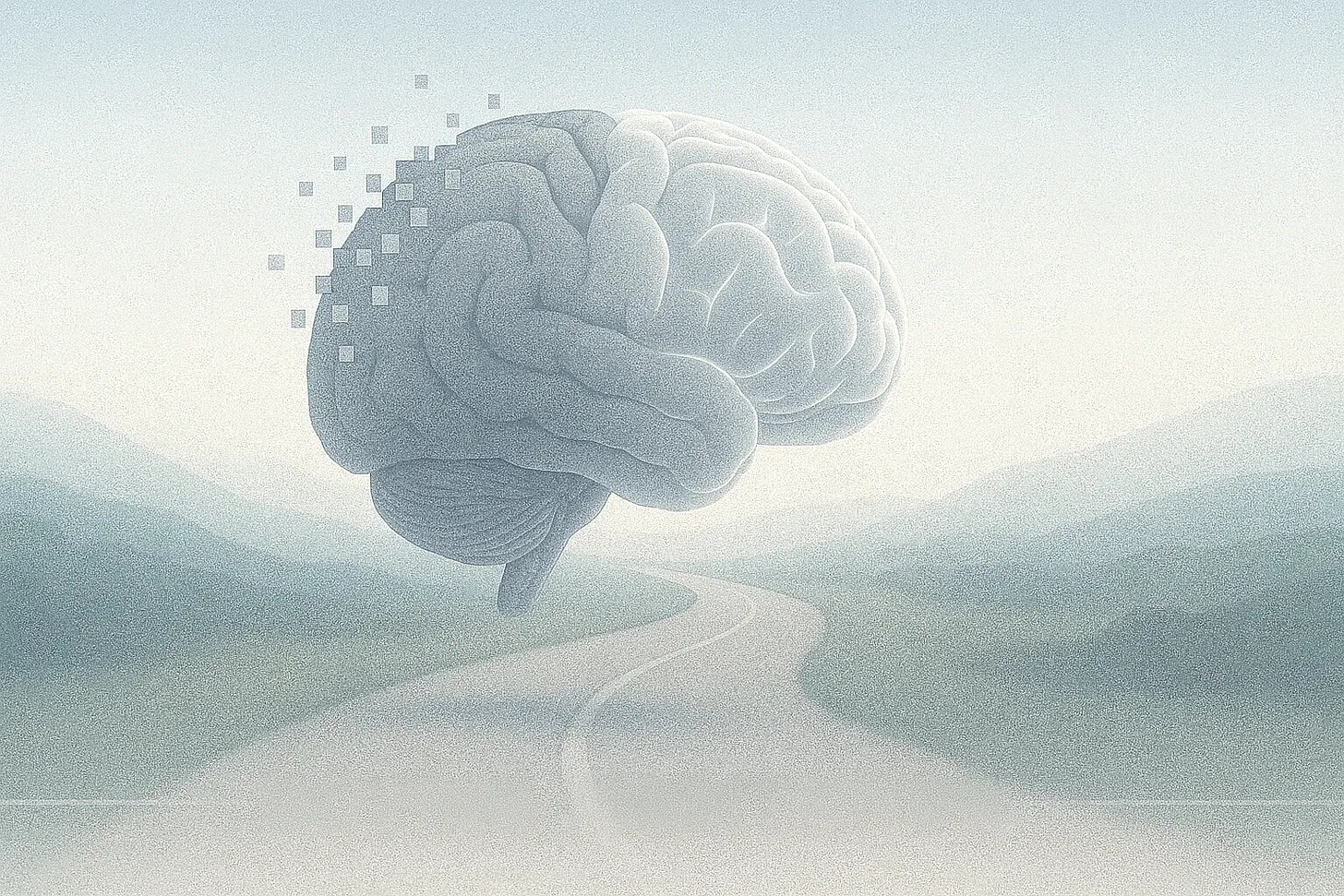
The fog doesn’t lift with force. It uncoils under cadence.
They told you clarity comes from stillness. But stillness has become sedation.
The desk. The scroll. The car seat. They don’t calm you. They cage you.
Movement—steady, unspectacular, stubborn—restores a kind of order. Not the world’s order. Your own.
You don’t need motivation. You need friction.
Each step, pedal, or push is a way of telling the machine: “I remember who I am.”
Not healed. Not optimized. Just less scrambled. More aligned. Reconnected.
Zone 2 is where the mind gets reassembled by the rhythm of the body it forgot to trust.
Let others chase biohacks and bragging rights. You’re chasing return.
This isn’t about six-packs or step counts. It’s about building an inner architecture stable enough to house clarity.
You become the metronome. And the hum of your motion becomes the pulse of your remembering.
You don’t need another app. You need your body.
Because in a world that profits from your paralysis, every deliberate movement is a small act of awakening.
So go. Don’t sprint. Don’t collapse. Just move. Until the fog breaks. And you remember the machine wasn’t broken— it was stolen.